









SEO

How We Do SEO at Scale Oxford: Our SEO Process Explained

At Scale Oxford, we start off by understanding your business, market, competitors, SEO landscape, and available budget. The reason we do this is because SEO, and digital marketing in general, doesn’t have a fixed prescription for every company.

  • No minimum term
  • SEO & AI search
  • Run by Oxford Graduates
DennisAyse

01

Understanding Your Business, Market, Competitors, SEO Landscape, and Budget

One company might rely very heavily on SEO, like SaaS companies, whereas other companies, like e-commerce businesses, might rely very heavily on ads. This depends on several factors, including the product itself.

For instance, jewellery, clothing, holidays, or gifts might do better with visual ads on platforms like TikTok or Meta due to the visual appeal of the products. But it’s very difficult to sell accounting or legal services through these mediums. These businesses would generally benefit more from SEO and search ads, where they can reach people who are already looking for the services they offer.

And even between two companies that have decided to do SEO, how it’s done, or how it needs to be done for maximum effect, varies massively depending on the specifics of the business.

Some companies might need a lot more blog posts, whereas others might just need landing pages, or even none of that. They might already have plenty of content and need domain authority work done instead.

This is why our SEO process begins with a thorough analysis rather than a predetermined set of services. Once we understand where your business currently stands and what opportunities are available, we give you a custom plan for how, in our expert opinion, we can best use SEO to deliver the largest return in the shortest amount of time and with the available resources.

02

The Four Main Pillars of SEO

SEO is traditionally divided into three main groups: content, technical SEO, and domain authority. More recently, AI engine optimization has emerged as a fourth area, particularly as businesses begin paying more attention to their visibility within AI search engines.

At Scale Oxford, we work across all four areas, with the amount of attention given to each depending on your business and the opportunities we identify during our initial analysis.

Content Creation and SEO Content Strategy

Publishing more insightful content around your niche enables Google and AI engines to better understand your business and what you do. This content might also rank on Google and drive traffic to your website, a portion of which could then convert into users or customers.

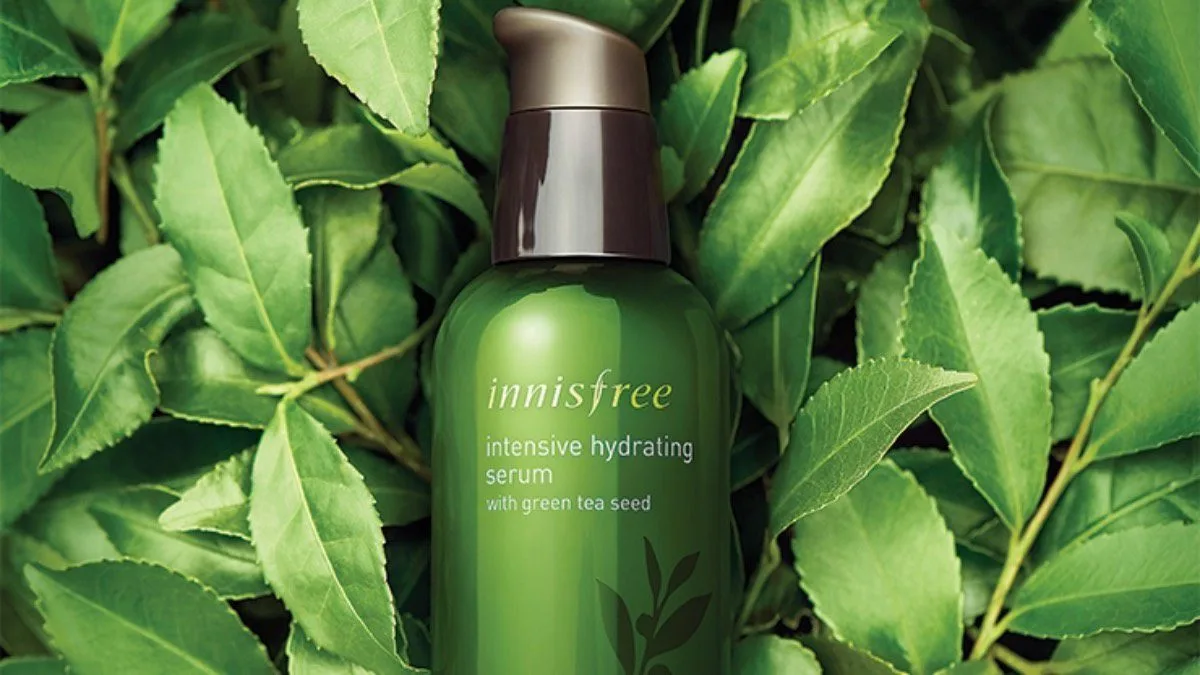
  1. For instance, if you’re a cosmetics company, you might publish informative content about your products, such as what a BB cream is, or blog posts around more specific topics related to skincare and cosmetics.

    The people landing on those posts have already shown some interest in learning more about BB creams, which means that promoting your BB cream line within the post could result in a portion of those people going on to make purchases from you.

  2. The same applies to software companies. Let’s say you’re an AI art generator. Writing about topics like how to create characters with AI or how to polish 3D images with AI can draw people who are interested in these subjects and may potentially be open to purchasing relevant services or products from you.

For many companies, publishing a steady flow of high-quality, well-researched and unique content is one of the key considerations behind Google and other search engines seeing you as an authority over time.

Consistency and uniqueness are important here, but so is taking a customer-first, visitor-first approach to your content.

When you’re targeting a keyword, the most important thing to think about is: when someone searches for this, what exactly are they wanting to know? Your content should then be designed around answering that question as well as possible.

This is one of the main areas that Scale Oxford helps with. We build your content strategy, prepare long-form written content for you, and make technical modifications to this content based on what Google’s and AI engines’ algorithms reward.


Technical SEO

The second pillar is technical SEO. For most companies, this will have less weight than content or domain authority because, with modern CMS systems, websites already have reasonably sound technical infrastructures most of the time.

Technical SEO refers to things like page speed, navigability, mobile readiness and responsive design, as well as the technical elements that help search engines access and understand your website.

Technical problems are also more common than they might appear. According to HTTP Archive’s 2025 Web Almanac, only 48% of mobile websites achieved good overall scores across Google’s Core Web Vitals metrics, compared with 56% on desktop. So even if a website appears to work perfectly well, there may still be problems related to loading speed or responsiveness that are worth addressing.

At Scale Oxford, we first conduct a technical audit of your website to uncover any problems related to these areas. Based on your specific situation, we then draw up a plan for how we can address the problems and claim any potential opportunities that might be available on the technical side.

The work itself can vary quite a bit depending on the website.

  1. For some businesses, this might involve compressing images or reducing the number of images on certain pages. For others, we might focus on meta tags, alt tags, social tags and other HTML tags related to SEO.

  2. There are also cases where improving page speed requires more extensive changes, such as implementing lazy loading, reducing the number of unnecessary plugins, or switching to fonts that load faster.

  3. And sometimes the problems go beyond individual technical fixes. A website might work perfectly well on a desktop but be difficult to navigate on a phone. In these cases, we might recommend coming up with a completely new responsive design dedicated to mobile or tablet devices.

At the end of the day, our goal with technical SEO is to speed up your website, make it easier to use for visitors, and work on the technical elements and tags that matter to search engines.

Domain Authority and Backlink Building

The third pillar is domain authority, which essentially refers to how authoritative or credible Google considers your website to be.

One of the ways websites build their authority over time is through backlinks. These are links within content on other websites that point to your website.

  1. For instance, let’s say you’re a manufacturing company and someone writes a blog post around one of the tools you also produce. They might mention your company within the article, saying that Acme Inc produces similar goods, and add a link to your website.

    That tells Google that you might potentially be an authority in this field because someone else has thought of mentioning you on their website.

There are several initiatives that SEO agencies can take to encourage this kind of backlink building. At Scale Oxford, this can involve contacting websites related to your niche and asking whether they could feature your company in content where they’re already talking about products or services similar to yours.

Over time, these links can contribute to how search engines assess your website and its credibility within your particular industry.

Backlink Disavowal and Removing Low-Quality Links

Another part of our domain authority work is backlink disavowal.

Many websites today receive irrelevant, low-quality links from spam websites. This happens to most websites, and Google disregards the vast majority of these links automatically.

However, some problematic links may still need attention, particularly when there’s a history of manipulative link building. We take a systematic approach to identifying these links and, where appropriate, removing or disavowing them as part of managing your website’s backlink profile.

AI Engine Optimization (GEO)

The fourth pillar, which is relatively new, is AI engine optimization, also known as generative engine optimization or GEO.

This refers to initiatives designed specifically to increase your visibility within AI engines like Gemini, ChatGPT and Claude.

In July 2025, Google said its AI Overviews, the AI summaries shown above its search results, had more than 2 billion monthly users, and in October 2025, OpenAI’s Sam Altman said ChatGPT had more than 800 million weekly users.

Many businesses that we at Scale Oxford work with are either looking to explore this side of marketing for the first time or have already conducted some sort of initiative in the past but are looking to maximize the return they get from AI.

Our approach to AI engine optimization covers both content and the technical setup of your website, alongside ongoing tracking of how your visibility changes over time.

Optimizing Existing Content and Creating New Content for AI Engines

One of the first things we look at is your existing content and how well it fits the way AI engines access and use information.

For instance, the structure of a page can make a difference to how easily AI systems find and interpret information. Things like paragraph length, clear headings and displaying important information earlier on the page may help make that content easier to access and understand, particularly for systems that only retrieve parts of a page rather than reading the whole thing.

Depending on your situation, we might modify your existing content to better fit these requirements, create entirely new content specifically for AI engines, or do a mix of both.

We’re also able to conduct AI initiatives dedicated to certain keywords that you want more presence in.

  1. For instance, if the keyword “Oxford dentist” is particularly opportunistic for you, we can create or modify content to specifically target that keyword and improve your chances of appearing in relevant AI-generated responses.

Tracking and Reporting Your AI Search Visibility

AI is also changing how people interact with conventional Google results. A 2025 study by Pew Research Center found that US Google users clicked on traditional search results in only 8% of visits where an AI summary appeared, compared with 15% when there was no AI summary.

With fewer people clicking through to websites in these situations, we think it’s becoming increasingly important for businesses to track their visibility directly within AI-generated answers, rather than relying entirely on website traffic to measure their search presence.

Alongside the content work, we track your AI visibility from day one and report this weekly through a dashboard.

This shows how your presence within different AI engines has changed over time since working with us, allowing you to see whether your business is appearing more frequently for the keywords and topics we’re targeting.

It’s particularly useful for businesses that are investing in AI engine optimization for the first time, as they can follow how their visibility develops rather than having to rely entirely on organic traffic figures.

Technical SEO and Website Crawlability for AI Engines

For GEO, we also conduct a thorough technical audit of your website, with particular attention to whether AI engines are actually able to access your content.

We often see websites where AI crawlability has been completely turned off. This means that certain AI engines may be unable to read the website, even though its content is publicly available to ordinary visitors.

This is much more prevalent than one might think. In our experience, about 30% of the companies Scale Oxford works with have AI crawlability restrictions that prevent certain AI systems from accessing their websites.

Considering that your website is one of the most important resources AI engines can use when referring to your business or citing your services, these restrictions can be a significant problem.

There are also technical setups that need attention for AI visibility, including robots.txt and other crawler-related configurations, as well as emerging files such as llms.txt.

We review these as part of our technical GEO work and make changes based on your website’s existing setup and your specific AI visibility goals.

03

Why SEO Is Important for Businesses

For most companies, SEO should ideally be one of the top three initiatives they undertake in terms of marketing.

Millions upon millions of companies rely on SEO for growth, and for many businesses, it’s one of the better-performing areas of digital marketing.

Some industries, like software, business services and manufacturing, as well as many enterprise industries, rely very heavily on SEO to be present digitally.

When someone searches for a product, service or solution that your company provides, appearing in those search results gives you access to people who have already shown an interest in what you offer.

And depending on your industry, those searches can carry considerable commercial intent.

SEO Is a Mid- to Long-Term Project

SEO, by nature, is a mid- to long-term project.

Where you might have PPC ads starting to deliver results within almost the same day, SEO generally takes weeks and potentially months to produce meaningful results.

The domain authority, backlink building and content creation processes in particular take a lot of time. Search engines need to discover and assess new content, while building a stronger backlink profile is something that usually happens gradually.

So we advise companies to consider SEO as a mid- to long-term initiative and plan their marketing resources accordingly.

But once you’ve built up a strong organic presence, the traffic you receive through SEO doesn’t come with a cost for every click, unlike paid advertising. And when that traffic comes from people actively searching for products or services like yours, its commercial value can be considerable.

04

SEO Services at Scale Oxford

At Scale Oxford, we work across local SEO, domain authority, content, technical SEO and AI engine optimization.

Our approach depends on your existing website, the competitive landscape in your industry and the resources you have available. Some companies will benefit most from publishing new content, while others might have much larger opportunities in technical SEO or domain authority.

We start by understanding your business and identifying where SEO can make the biggest difference, then build a plan around those opportunities.

The goal throughout is to make the best possible use of your available resources and deliver the largest return we can from SEO.

05SUCCESS STORIES

What this looks like at scale

  • Measurable growth
  • Transparent reporting
  • Up to2.36xROAS upliftNatura
  • Up tox2.8More revenueReformation
  • Up to44%Lower cost per resultFree People
  • Up to1.9xHigher conversion rateBeforeSunset AI

06HOW WE WORK

Part of your team from day one.

Results-driven marketing team with frequent communication, weekly goals, full ownership, and measurable growth.

  • DennisCO-FOUNDERDennisCEO & Co-founder£30M+ PPC spend managed
  • AyseCO-FOUNDERAyseCo-founder & Head of Performance120+ brands managed, incl. L’Oreal & Lacoste
  • MaksimCREATIVEMaksimHead of Creative StrategyPaid social expert across Meta, TikTok and LinkedIn
  • ClaireDESIGNClaireDesign ManagerBrand and web design expert
  • HannahMARKETINGHannahMarketing ManagerCampaign strategy across search, social and email
  • RobertSEORobertSEO ManagerTechnical SEO, local search and content strategy
  • CemalDATACemalLead Data AnalystMeasurement and attribution
  • PerryARTPerryArt DirectorCopy, design and production
  • AltayENGINEERINGAltayHead of EngineeringPlatform, data and infrastructure

07

Looking for Other Marketing Services in Oxford?

  • Search

    SEO Services

    Climb the Google results your customers already search, with technical fixes, new content and links working together month by month.

    Read more
  • Search

    Local SEO Services

    Map pack rankings, your Google Business Profile and reviews, for businesses that serve customers in and around Oxford.

    Read more
  • AI search

    AI SEO Services

    Help your business get mentioned when people ask ChatGPT or Google’s AI Overviews for a recommendation in your field.

    Read more
  • Search

    Free SEO Audit

    Forty checks on your site’s technical health, content and links, written up as a list of fixes within five working days. It costs nothing.

    Read more

08

How We Do SEO: Key Facts

The short version, for anyone comparing how SEO agencies work.

Based in
Oxford, with SEO clients across Oxfordshire and the UK
Run by
Oxford University graduates
Where it starts
An analysis of your business, market, competitors, SEO landscape and budget, never a fixed package
What you get first
A custom SEO plan built around the opportunities that analysis finds
The four pillars
Content, technical SEO, domain authority and AI engine optimization (GEO)
Also covered
Local SEO, backlink disavowal and AI crawlability, including robots.txt and llms.txt
AI visibility
Tracked from day one and reported weekly on a dashboard
Time to results
Weeks to months: SEO is planned as a mid- to long-term project
Price
SEO from £1,200 a month, or £1,750 a month for established sites
Contract
No minimum term

09

How We Do SEO: Frequently Asked Questions

What does an SEO agency actually do?

An SEO agency works on what decides whether search engines and AI tools show your website: the content on it, its technical setup, the links pointing to it from other sites and how AI engines read it. At Scale Oxford, how much attention each of those gets depends on what our first analysis of your business, competitors and budget finds.

What is the SEO process at Scale Oxford?

It starts with an analysis, not a fixed package. Scale Oxford studies your business, market, competitors, current search position and budget, then gives you a custom plan for where SEO can bring the largest return soonest. The work covers content, technical SEO, domain authority and AI engine optimization, weighted to what your website needs.

How much does SEO cost in Oxford?

Scale Oxford’s SEO costs from £1,200 a month, or £1,750 a month for a site already past 5,000 visits a month. There is no minimum term. The fee covers the plan and the work across content, technical SEO, domain authority and AI visibility, divided according to what the first analysis finds.

How long does SEO take to work?

Usually weeks, and often months. Search ads can bring visitors almost the same day, but search engines need time to find and assess new pages, and a stronger backlink profile builds gradually, so Scale Oxford plans SEO as a mid- to long-term investment. Once rankings are built, the visits they bring carry no cost per click.

What are the four pillars of SEO?

Content, technical SEO, domain authority and AI engine optimization. The first three are the traditional groups; AI engine optimization, also called generative engine optimization or GEO, is the newer fourth, about being found and cited by AI tools such as ChatGPT, Gemini and Claude.

What is GEO, or generative engine optimization?

GEO is the work of making a business more visible in the answers AI engines such as ChatGPT, Gemini and Claude give. At Scale Oxford it covers how your content is structured, whether AI crawlers can reach your website, and weekly tracking of whether your business is named for the topics you target.

Should my business focus on SEO or paid ads?

It depends on what you sell. Products people choose by how they look, such as jewellery, clothing, holidays or gifts, often do better with visual ads on TikTok or Meta, while services people look for, such as accounting or legal advice, usually gain more from SEO and search ads. Scale Oxford sets the balance after analysing your business and budget.

Do I need more blog posts to rank on Google?

Not always. Some websites need a steady flow of new articles, others need a landing page for each service, and some already have plenty of content and are held back by weak domain authority or technical problems instead. The first analysis shows which of these applies to your website.

What is backlink disavowal?

Disavowing asks Google to ignore specific links pointing at your website. Google already ignores most spam links by itself, so it is needed only for problem links, usually where a site has a history of manipulative link building. Scale Oxford finds those links and removes or disavows them where appropriate.

Can ChatGPT and other AI tools read my website?

Not always. A robots.txt rule or another crawler setting can stop some AI engines reading a website that ordinary visitors open freely, and in Scale Oxford’s experience about 30% of the companies it works with have such a restriction. Checking robots.txt, crawler settings and files such as llms.txt is part of our technical GEO work.

Can you show whether ChatGPT mentions my business?

Yes. Scale Oxford tracks your visibility in AI engines from the first day and reports it weekly on a dashboard, so you can see whether your business appears more often for the keywords and topics being targeted, without relying on organic traffic figures alone.

Is there a minimum contract for SEO with Scale Oxford?

No. Scale Oxford’s SEO has no minimum term: no three-month agreement and no six-month agreement.

Do you only work with businesses in Oxford?

No. Scale Oxford’s SEO clients are in Oxford, elsewhere in Oxfordshire and around the UK. The work is managed online, so meetings can be in Oxford or by video call, whichever suits you.

How We Do SEO at Scale Oxford: Our SEO Process Explained

Tell us what you are trying to grow. You will get a straight answer on what we would do, what it would cost and what it should return, from the person who would do the work.